
How Do Escape Rooms Work? Tips, Strategies, and What to Expect
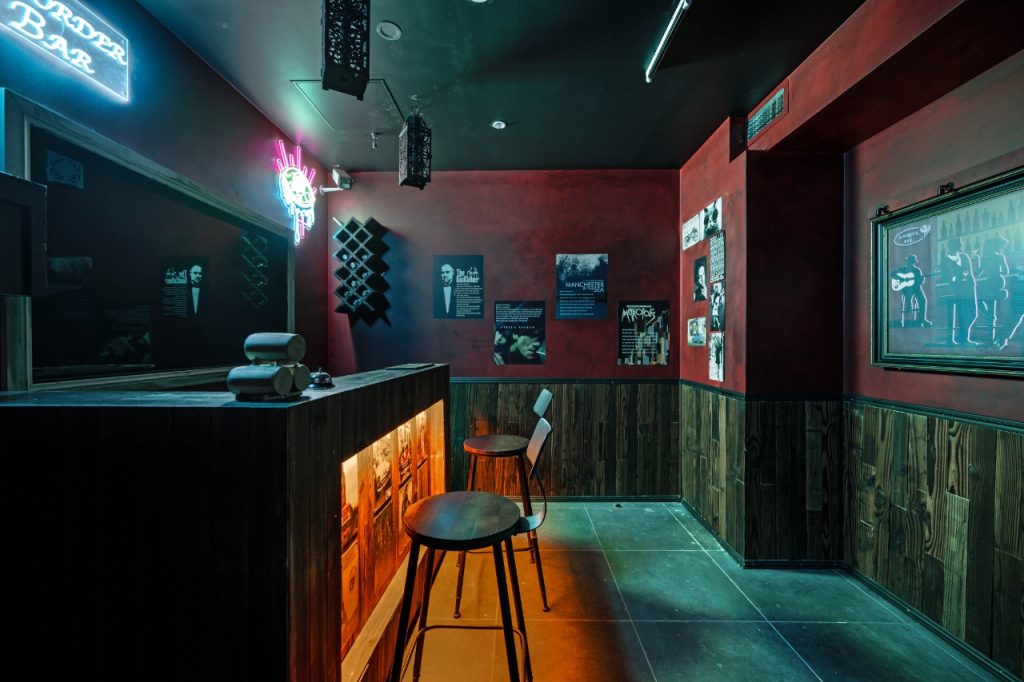
Escape rooms in Sydney have taken off in a big way, turning what used to be a niche activity into something people plan entire nights around. The concept is simple: you and your team are “locked” in a themed room and have to solve a series of puzzles to find your way out before time runs out. Whether it’s cracking codes in a spy mission, escaping a haunted house, or breaking out of a high-security prison, every room tells a story—and you’re right in the middle of it.
So why do people love them? For starters, they’re a great mix of teamwork, problem-solving, and pure excitement. There’s nothing quite like that moment when a puzzle clicks, the last lock pops open, and you realize you’ve done it. It’s part brain workout, part adrenaline rush, and whether you escape or not, it’s always a blast.
In this guide, we’ll go over how do escape rooms work, the kinds of puzzles you’re likely to run into, and the best strategies to make sure you don’t spend the whole hour stuck on the first clue. Whether you’re a newbie or a seasoned pro, there’s always a new challenge waiting. Let’s get started.
What Is an Escape Room?
An escape room is a real-life adventure game where players work together to solve puzzles, uncover hidden clues, and complete a specific objective—usually within a set time limit, often an hour. While the name suggests you’re always trying to “escape,” not all rooms require breaking out. Some might have you solving a crime, recovering a lost artifact, or even stopping a doomsday device before it’s too late. Whatever the goal, the challenge is the same: use logic, teamwork, and creativity to beat the game before time runs out.
Escape rooms originally drew inspiration from point-and-click video games where players explored virtual spaces, searching for objects and solving puzzles to progress. The first real-world escape rooms appeared in Japan in the mid-2000s and quickly gained traction, spreading across Asia, Europe, and eventually the rest of the world. Today, they come in all shapes and sizes, from high-tech, cinematic experiences to low-budget, DIY setups—each offering a unique test of wit and teamwork.
For those looking for the best escape rooms in Sydney, there’s no shortage of exciting options. Whether you want an immersive, story-driven experience with cutting-edge technology or a classic puzzle-solving challenge, Sydney has something for everyone. From eerie horror-themed rooms to thrilling heist scenarios, each escape room offers a different adventure, making it a perfect activity for friends, families, and even corporate team-building events.
While every escape room is different, they all share the same core appeal: the thrill of discovery, the rush of solving a tough puzzle, and the shared excitement of tackling a challenge together. It’s part mystery, part mental workout, and all-around fun.
How Do Escape Rooms Work?
Escape rooms are designed to be immersive, challenging, and fun—but if you’ve never done one before, the process can feel a bit mysterious. How do escape rooms work? Here’s what to expect from start to finish.
Most escape rooms require a reservation, which can usually be made online or over the phone. You’ll choose a theme, a difficulty level, and a time slot. When you arrive, expect to check in, sign a waiver (some rooms have physical elements), and maybe even store your phone—no outside help allowed!
Before the game starts, a staff member known as the “game master” will explain the rules, safety guidelines, and any special mechanics you need to know. They’ll also tell you how to ask for hints if you get stuck. Every room has different rules, but one thing is universal: don’t break things! Escape rooms are about logic, not brute force.
Once inside, the clock starts ticking. The first step? Explore everything. Look for hidden compartments, locked boxes, strange markings—anything that seems out of place. Every detail could be a clue.
As you work through the room, you’ll encounter puzzles that could involve numbers, patterns, wordplay, or even physical challenges. Solving one puzzle usually unlocks another, guiding you toward the final solution. Teamwork is key—everyone notices different things!
If you solve all the puzzles before time runs out, you win! If not, the game master will usually walk you through what you missed. Either way, it’s all about the experience—and there’s always next time.
Types of Escape Rooms
Escape rooms come in a variety of themes and styles, each offering a different kind of challenge. How do escape rooms work? Whether you enjoy cracking codes, solving mysteries, or surviving a horror scenario, there’s something for everyone. The atmosphere, level of difficulty, and type of puzzles can vary widely, but all escape rooms share the same core objective—immersing players in an exciting, problem-solving adventure.
1. Classic Escape Rooms
These are the traditional puzzle rooms that started the trend. They rely on physical locks, hidden keys, and coded messages to guide players toward their goal. Expect plenty of number combinations, secret compartments, and logic-based challenges that require sharp observation and teamwork. Classic rooms are a great starting point for beginners while still providing a challenge for experienced players.
2. Tech-Driven Rooms
Modern escape rooms often integrate advanced technology, replacing physical locks with motion sensors, touchscreens, and interactive props. Instead of turning a key, you might need to trigger a hidden door by solving a digital puzzle or manipulating objects in the room. Some high-tech rooms even use artificial intelligence, voice activation, and augmented reality to create a futuristic, immersive experience.
3. Horror-Themed Rooms
For those who love a good scare, horror escape rooms take things to a whole new level. Dim lighting, eerie sound effects, and unsettling surprises heighten the tension. Some rooms include live actors playing ghosts, zombies, or other terrifying figures, adding an element of psychological pressure. The challenge isn’t just about solving puzzles—it’s about staying calm under pressure when something (or someone) might be lurking in the shadows.
4. Mystery & Detective Rooms
If you’ve ever dreamed of being a detective, these rooms are perfect. Players step into the role of investigators solving a crime, uncovering a conspiracy, or piecing together a missing person’s case. Instead of escaping, the objective might be gathering evidence, identifying a culprit, or decoding secret messages. These rooms emphasize critical thinking and attention to detail, making them a favorite for those who enjoy unraveling intricate stories.
5. Fantasy & Sci-Fi Rooms
For an experience that feels like stepping into a movie, fantasy and sci-fi escape rooms offer imaginative, story-driven adventures. You might find yourself inside a wizard’s tower deciphering ancient spells, aboard a spaceship repairing critical systems before an asteroid collision, or traveling through time to fix a paradox. These rooms often feature elaborate sets, dramatic storylines, and creative puzzles that require thinking outside the box.
Regardless of the type, every escape room offers a unique challenge that tests problem-solving skills, teamwork, and creativity. Whether you prefer classic puzzles or high-tech thrills, there’s always a new adventure waiting to be unlocked.

The Role of the Game Master
The game master is the behind-the-scenes guide who ensures the escape room experience runs smoothly. Before the game begins, they set up the room, making sure every puzzle, lock, and clue is in place. They also brief players on the rules, safety guidelines, and any special mechanics unique to the room. Their job is to set the stage, getting teams excited while making sure everyone understands how the game works.
Once the game starts, the game master monitors the team’s progress, usually through cameras or microphones. They track how players interact with the puzzles and step in with hints if a group is stuck—sometimes subtly, through the game’s theme, or more directly if requested. The balance between challenge and guidance is key to a great experience.
After time runs out, the game master debriefs the team, explaining any unsolved puzzles and offering feedback. They then reset the room, ensuring it’s ready for the next group to step into the adventure.
Strategies for Beating an Escape Room
Success in an escape room isn’t just about being smart—it’s about working efficiently as a team. While every room presents different challenges, some core strategies can dramatically improve your chances of escaping in time.
Communicate Effectively
Good communication is the key to a smooth escape. If you find something—whether it’s a key, a strange symbol, or a locked box—say it out loud so the whole team knows. Sometimes, one person’s discovery is the missing piece to another person’s puzzle. Keep updates brief but clear, and avoid chaotic shouting. If something has already been checked or a puzzle has been solved, let the team know to avoid wasted effort.
Search Thoroughly
Escape rooms are designed to reward curiosity. Look under tables, inside drawers, behind picture frames—anywhere a clue might be hidden. Small details often matter, and a missed object could be the difference between escaping and running out of time. However, don’t overcomplicate things—if something doesn’t move or open easily, it’s probably not meant to. Organize found objects in a central location so everyone can see what’s available.
Assign Roles
A well-organized team is a successful team. Some people are great at logic puzzles, while others have sharp eyes for spotting hidden details. Divide and conquer—have someone focused on organizing clues, another on searching, and others working through puzzles. Rotating roles throughout the game can also help keep fresh perspectives on tough challenges. If a player is stuck on a puzzle for too long, swapping tasks can provide a fresh approach.
Think Outside the Box
Escape rooms thrive on creative problem-solving. A code might not be as straightforward as it seems, and a key might open something unexpected. Some puzzles require lateral thinking, so be open to unconventional solutions. Sometimes, clues are hidden in plain sight but require a shift in perspective to recognize. Don’t get stuck in one way of thinking—if something isn’t working, try a new approach.
Use Hints Wisely
Most escape rooms allow teams to request hints when they’re stuck. While it’s tempting to push through on your own, wasting too much time on one puzzle can derail the whole game. A good rule of thumb is to ask for a hint if you’ve been stuck for more than five minutes without progress. That said, overusing hints can take away from the experience—so use them strategically and only when truly necessary.
Stay Calm and Have Fun
Escape rooms are meant to be challenging, but frustration can slow you down. If the team starts feeling stuck, take a breath, refocus, and try a different approach. Panicking or arguing only wastes valuable time. The best teams are the ones that stay positive and enjoy the process. Whether you escape or not, the experience of working together and solving puzzles is what makes escape rooms so rewarding.
The Psychology Behind Escape Rooms
Escape rooms tap into something deeply satisfying about the human brain—the desire to solve problems, work together, and experience a sense of achievement. The combination of mystery, challenge, and time pressure creates an experience that’s both mentally stimulating and emotionally engaging, making it easy to see why so many people get hooked after their first game.
One reason escape rooms are so addictive is that they trigger the brain’s reward system. Every time a puzzle is solved or a clue is uncovered, the brain releases dopamine, the chemical associated with pleasure and motivation. This creates a cycle of excitement that keeps players engaged, pushing them to crack the next code or open the next lock. The social aspect adds another layer—working as a team to overcome obstacles strengthens bonds and fosters a sense of camaraderie. Whether it’s a group of friends, coworkers, or strangers, the shared experience of problem-solving creates a unique connection.
Beyond just being fun, escape rooms also offer cognitive benefits. They challenge players to think critically, improve pattern recognition, and exercise memory skills. Many puzzles require lateral thinking—finding creative solutions beyond obvious logic—helping to develop problem-solving abilities useful in everyday life.
The built-in time limit heightens the experience, creating an adrenaline rush that makes everything feel more intense. The pressure to beat the clock adds urgency, making even simple tasks feel exciting. This combination of mental stimulation and physical excitement is what makes escape rooms so immersive, memorable, and downright thrilling.
How Escape Rooms Are Designed
Designing an escape room is an art that blends storytelling, psychology, and game mechanics to create an engaging and immersive experience. How do escape rooms work? Every great escape room starts with a compelling concept—whether it’s solving a murder, escaping a haunted house, or completing a top-secret mission. Storytelling plays a huge role in keeping players invested, turning them into active participants rather than just puzzle solvers. The best rooms don’t just throw random challenges at players; they create a world that feels alive, where every clue and puzzle serves the larger narrative.
Puzzle development is a delicate balance between difficulty and accessibility. Too easy, and players lose interest; too hard, and frustration takes over. Designers carefully plan a mix of logic puzzles, pattern recognition, physical tasks, and hidden-object challenges to keep things varied and engaging. Flow is crucial—each puzzle should naturally lead to the next, creating a sense of momentum.
Room layout is another key factor. Every element, from lighting to props, contributes to immersion. Some rooms use secret passages, hidden compartments, and multi-room designs to enhance the sense of discovery. High-tech escape rooms push immersion even further, incorporating automation, motion sensors, and even AI-driven interactions to create dynamic experiences. Some puzzles respond to voice commands, while others change based on player decisions. These technological elements blur the line between escape rooms and interactive theater, making each game feel like a personalized adventure.
Ready to Put Your Skills to the Test?
Escape rooms offer a thrilling mix of adventure, problem-solving, and teamwork, making them one of the most exciting social activities around. How do escape rooms work? We’ve explored how these immersive games work, from their origins and different puzzle types to strategies for success and the psychology behind their appeal. Whether you’re drawn to the challenge of cracking complex codes, the excitement of a ticking clock, or the immersive storytelling that transports you into another world, escape rooms have something for everyone.
Beyond just being fun, they’re a great way to sharpen critical thinking skills, boost memory, and strengthen teamwork—perfect for friends, families, and even coworkers looking for a unique bonding experience. If you’ve never tried one before, now is the time. Gather a group, put your problem-solving skills to the test, and see if you have what it takes to escape in time.
Don’t wait—book your adventure at Playvero Space Escape Rooms today and see if you can break free before time runs out!
